

Everyday well-being is often shaped by the simplest habits—small actions that quietly support how you feel, move, and think. You don’t need complicated routines or dramatic lifestyle changes to make meaningful progress. Instead, small, consistent choices can gradually lift your energy, clarity, and overall health. When you make these upgrades part of your daily rhythm, they start to feel effortless.
Core Insights
- Easy habits usually deliver more consistent results than complex routines.
- Consistency outweighs intensity when building everyday well-being.
- Movement, mindful eating, sleep, and mental resets all work together.
- Small choices accumulate into meaningful improvements over time.
Where Everyday Wellness Really Starts
The foundation of daily health isn’t an extreme workout or a strict meal plan—it’s the mix of hundreds of micro-decisions you make without thinking. Swap one of them for something slightly better, and you’ve already changed the trajectory of your day. Drink water before coffee. Stretch for 20 seconds when you stand up. Walk an extra block. These are unglamorous decisions that quietly shift your baseline toward better health.
Quick, Evidence-Supported Boosters
|
Everyday Habit |
Why It Works |
When to Use It |
|
Short walks |
Supports cardiovascular health and lowers stress |
Midday or after meals |
|
Light stretching |
Reduces stiffness and improves circulation |
Morning or before bed |
|
More hydration |
Spread throughout the day |
|
|
Screen breaks |
Every 30–60 minutes |
|
|
Eating whole snacks |
Keeps blood sugar stable |
Between meals |
Mini Rituals for a Better Day
- Drink a full glass of water.
- Add one fruit or vegetable to something you already eat.
- Take a slow 5-minute walk.
- Stretch one tight area (neck, back, or hips).
- Do one thing that calms you—deep breaths, music, stepping outside.
- Reduce one unnecessary screen scroll session.
- Go to bed 10 minutes earlier than usual.
Nourishing Your Mind Through Lifelong Learning
Keeping your brain active pays surprising dividends. When you explore new ideas, pick up a skill, or intentionally challenge your thinking, you stimulate growth pathways that help maintain mental sharpness and emotional resilience. And if structured education fits your goals, pursuing an online degree can broaden career options without disrupting your routine. For those drawn to healthcare leadership, earning a master’s degree in health administration can deepen your expertise and strengthen your ability to guide teams and organizations—this is a good resource if you’d like to learn more.
A Few Simple Upgrades You Can Make Today
- Keep healthy snacks handy so that your easiest option is a good one.
- Replace long, intense workouts with several short activity bursts.
- Set tiny “anchor habits,” like stretching after brushing your teeth.
- Add an element of joy to movement—music, a friend, or a scenic route.
- Keep shoes, a water bottle, and a small snack visible so you remember to use them.
How Snacks Influence Daily Well-Being
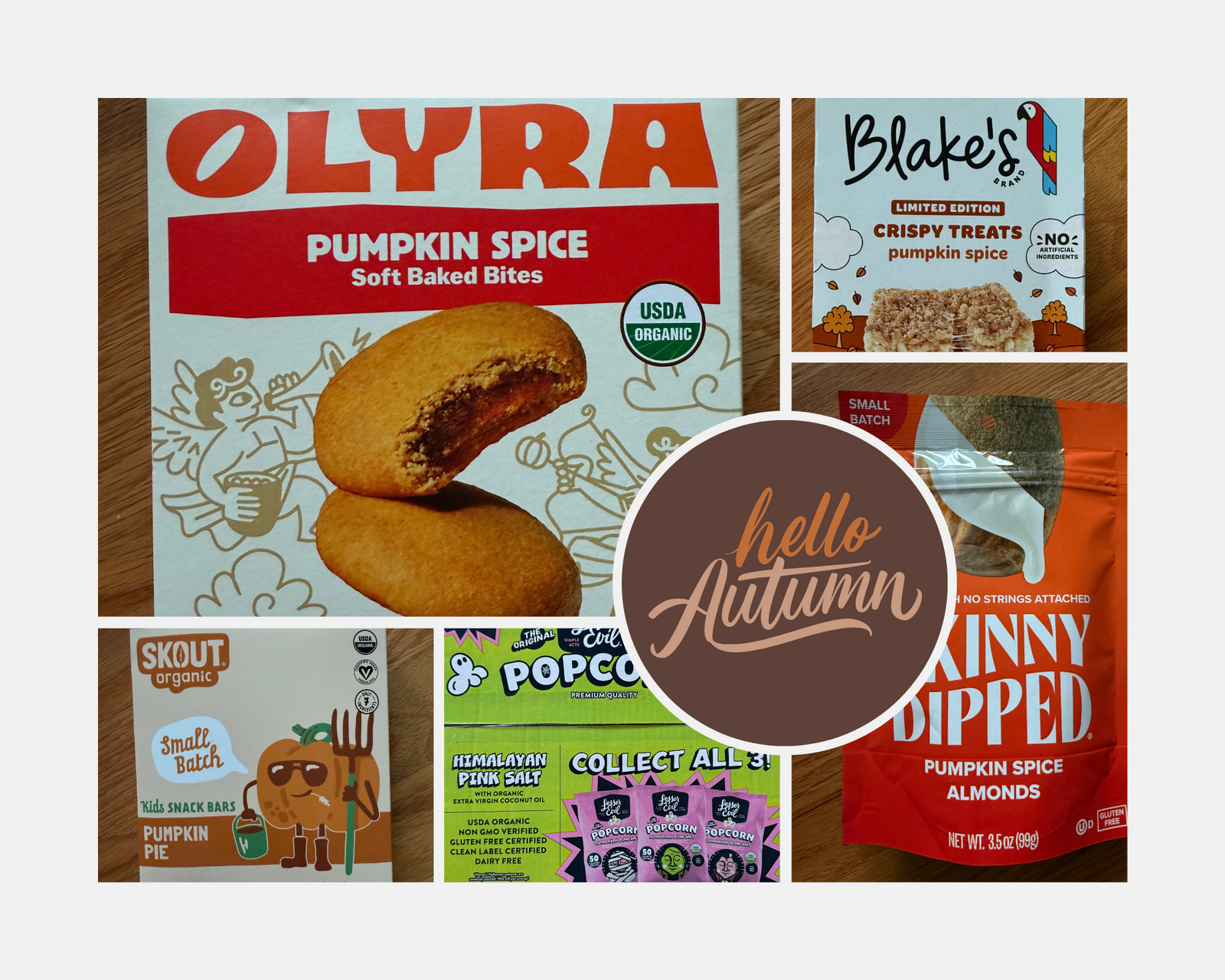
Food choices between meals often shape your energy more than the meals themselves. Choosing nutrient-rich snacks can keep your focus steadier and curb the urge for quick but unhelpful options. Healthy Me Living offers curated snack boxes that take the guesswork out of finding wholesome choices and make it easier to stay energized throughout busy days. Their selections simplify healthy snacking so your momentum stays strong.
FAQs
Q: Do small habits really make a difference?
Yes. Small, repeated behaviors deliver cumulative benefits for mood, energy, digestion, and long-term health.
Q: What’s the easiest way to start moving more?
Add walking to transitions—after meals, between tasks, or during short breaks.
Q: Is better sleep really that important?
Absolutely. Sleep influences memory, stress, appetite, and immune function.
Q: How do I stay consistent?
Lower the difficulty. Make habits so easy you can’t reasonably skip them.
A Quick Reset Routine for Busy Days
1. Pause for 20 seconds. Notice your breathing.
2. Stand up and stretch your shoulders upward and outward.
3. Drink water slowly, not in a gulp.
4. Step outside, even if only for 30–60 seconds.
5. Reset your next task: choose one small thing to complete fully.
This resets your nervous system and brings your focus back into alignment.
Final Thoughts
Health doesn’t require reinvention—it thrives on small, repeatable choices. Tiny actions compound into lasting strength, clarity, and vitality. Pick two or three habits from this article and practice them daily. With time, they’ll feel natural, and your well-being will reflect the investment you’ve made in yourself.